






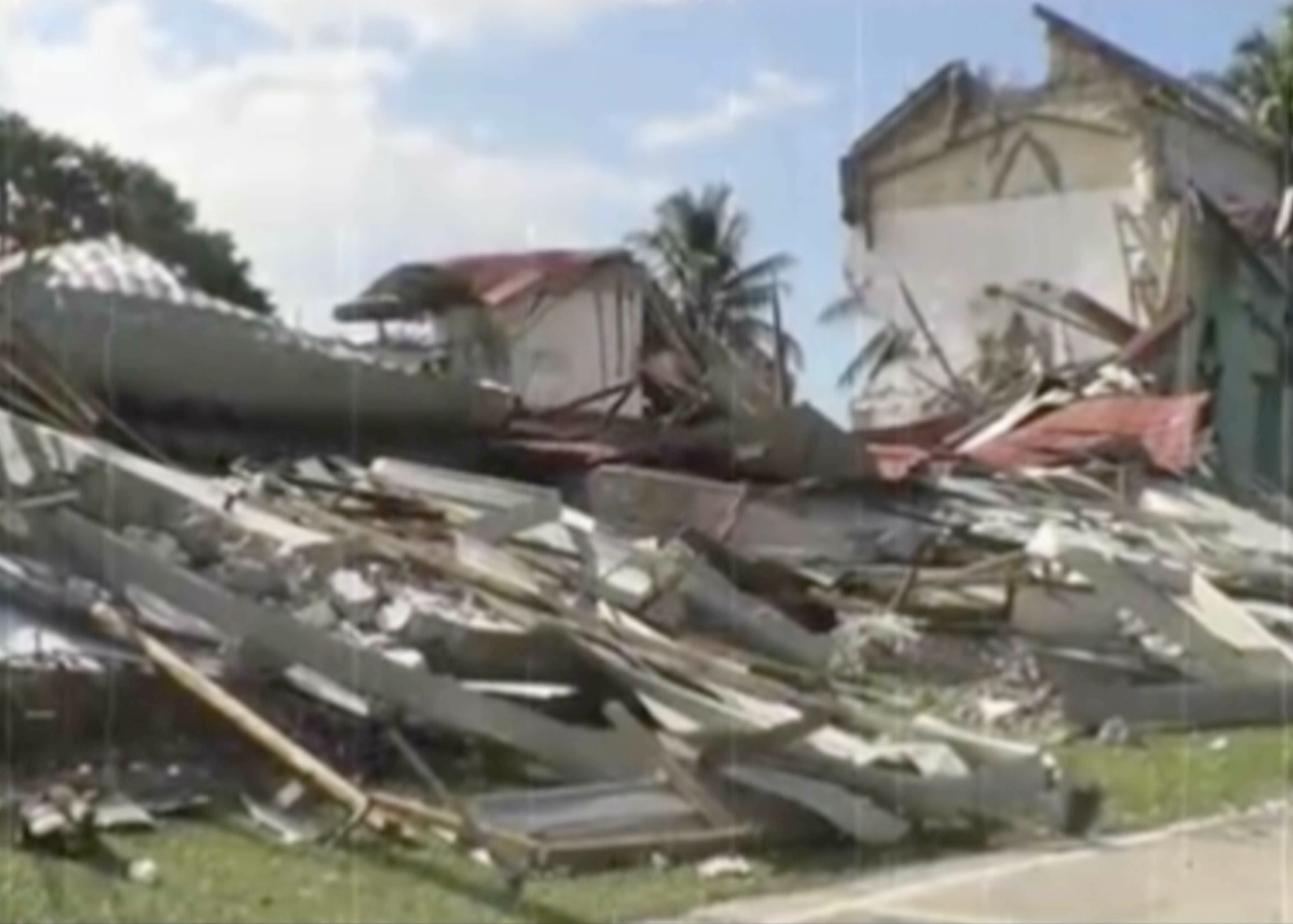
Earthquakes are phenomena still hard to predict, but disasters associated with these natural occurrences may be mitigated soundly through continued awareness and preparation measures.
“It is very important that local chief executives, the municipal and city officials should make sure that buildings follow codes and all buildings must be inspected regularly,” Secretary Renato Soldum of the Department of Science and Technology, said in an earthquake drill in Tacloban City in November 2023.
Cebu does it share of the response by conducting a survey last December 2023 on ground motion at the office building of the Philippine Institute of Volcanology and Seismology (Phivolcs) in Mandaue City that has something to do with ground building assessment risk.
The project will check risks of skyscrapers or high-rise buildings in Cebu.
Phivolcs emphasized on taking the latest strong earthquakes that hit the country seriously in the construction of edifices.
To recall, Central and Eastern Visayas recorded six strong tremors since 1863.
In the records of Phivolcs, a magnitude 6.1 tremor hit the regions on September 27, 1863 (epicenter located in Kananga, Leyte); magnitude 6.4 on February 7, 1890 (Barugo, Leyte); 6.9 on June 7, 1947 (Carigara, Leyte); 6.7 on February 6,, 2012 which hit Cebu and Bohol and killed 51 persons; 7.2 on October 15, 2013 again in the Provinces of Cebu and Bohol, and in Siquijor with fatalities placed at over 200 persons; and 6.5 on July 6, 2017 with Ormoc City as epicenter. The latest temblor killed four individuals and hurt over 100 persons.
The Office of Civil Defense 8 joined Sec. Solidum in the call to take earthquake drills seriously.
“All of these rescue skills are perishable skills if we don’t do regular training, regular updating then baka dun tayo mag-fail, but so far with regards to response time mga konti na lang ite-treat natin,” OCD 8 Director Lord Byron Torrecarrion said.
(By Mark Regie Abella/GMA Regional TV Balitang Bisdak)