

 GMA Brandtalk
 Tracking
 Archives

Rubio: US Coast Guard vessel 'stood between' CCG, PH vessels as injured Navy man rescued
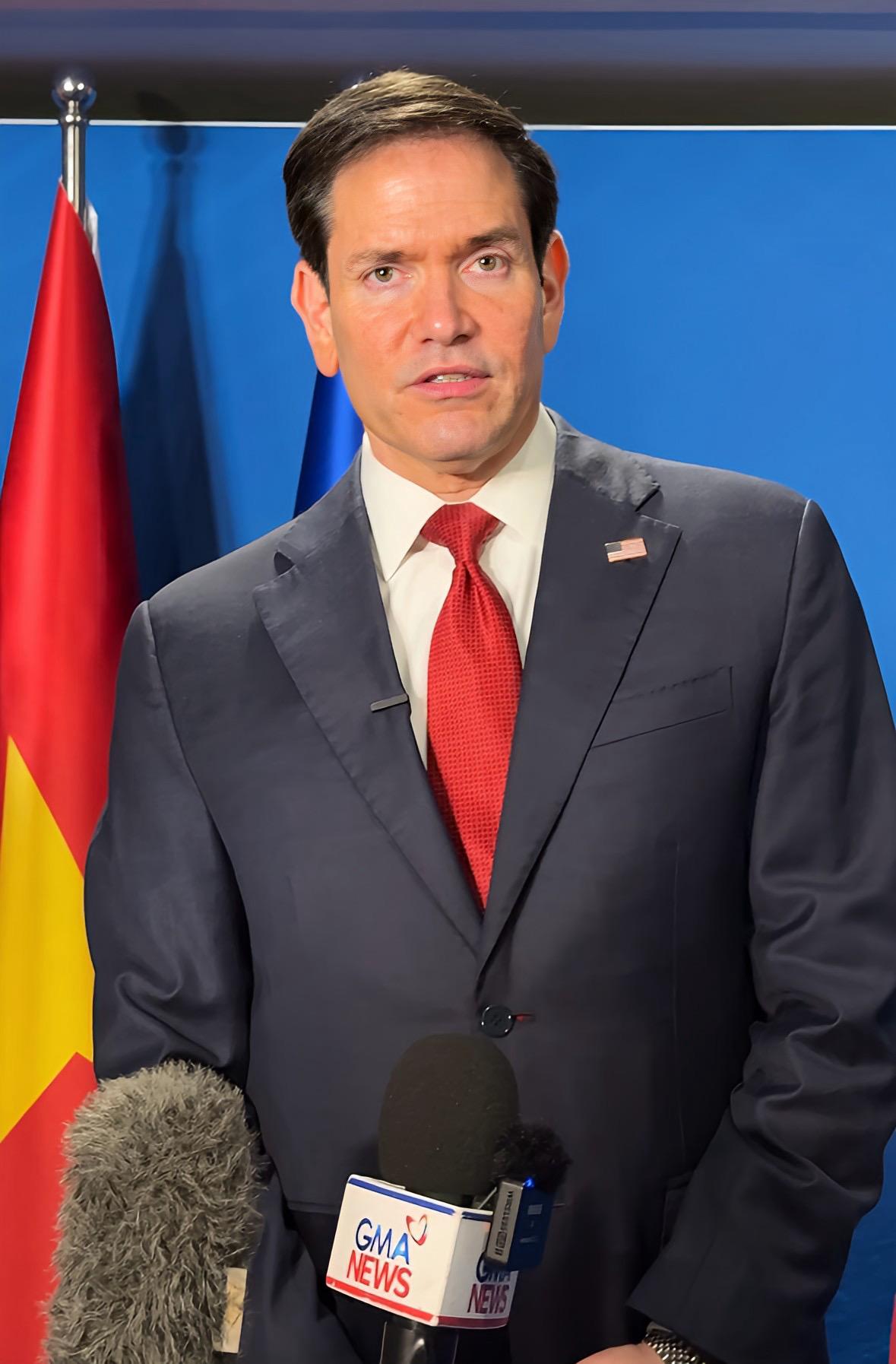
A US Coast Guard vessel helped facilitate the medical evacuation of Filipino soldiers injured in an encounter with China Coast Guard personnel at Ayungin Shoal in the West Philippine Sea, US Secretary of State Marco Rubio confirmed.
Rubio made the statement in an interview with GMA News and the traveling US press on the sidelines of the 59th ASEAN Foreign Ministers’ Meeting in the Philippines.
According to Rubio, the assistance demonstrates Washington’s commitment for support the Philippines under the existing defense agreements between the two countries.
“We're a treaty ally. I mean, the United States and the Philippines have a treaty. And so we will live by that treaty. We're committed to supporting our treaty partners. And, you know, obviously, we've already done quite a bit," he said.
"In fact, there was a US Coast Guard vessel in the region at the time this happened, and it actually helped stand between the two sides and allowed the injured individual to be rescued and brought back for medical treatment. So we are already here. We're already present. We have a role, and we're not going to abandon our allies. We've made that abundantly clear,” Rubio said.
The incident took place near the BRP Sierra Madre, which is moored at Ayungin. According to the Armed Forces of the Philippines, eight members of the CCG attacked Philippine Navy personnel, leaving at least one of the Filipinos with a bloody head.
New WPS attack
Rubio also expresses concern over the latest incident involving the China Coast Guard and Philippine vessels near Bajo de Masinloc, also known as Scarborough Shoal, on Thursday morning.
“What's happened with the Philippines, you know, obviously we saw that too. The whole world saw it. And it's disturbing, you know, and these challenges and these claims of sovereignty over territory are a growing challenge. That's why we continue to reiterate our commitment to our treaty partners, but also our commitment to freedom of navigation and respect for territorial rights in the region,” he said.
The treaty referred to by Rubio is the Mutual Defense Treaty between the Philippines and the United States.
Under the agreement, the two countries are committed on responding to an armed attack against either party’s armed forces, public vessels or aircraft in the Pacific.
Rubio urges allies to increase defense spending
Despite Washington’s repeated assurance of its “ironclad” commitment to the Philippines, Rubio also urged US allies, including the Philippines and Japan, to take greater responsibility for their own security.
He said the United States would continue to fulfill its role, but noted that several advanced and wealthy economies in the region have the capacity to increase their defense spending.
“I still think that, you know, these are partners and allies, but we want countries to assume more responsibility for their own security. And for the most part, I think the countries in this region agree,” Rubio said.
“And so the US will continue to do its part. But by the same token, we're now, in many cases, dealing with advanced and wealthy economies who have the ability to spend more on their own defense. And they should. I think the primary responsibility of any government is the national security of their country. So, you know, but I wouldn't—I don't think it's a point of conflict between us and the region,” he added. — BM, GMA News

