

 GMA Brandtalk
 Tracking
 Archives

BFAR eyes bigger salt production as 2026 PH output nears 200,000 tons
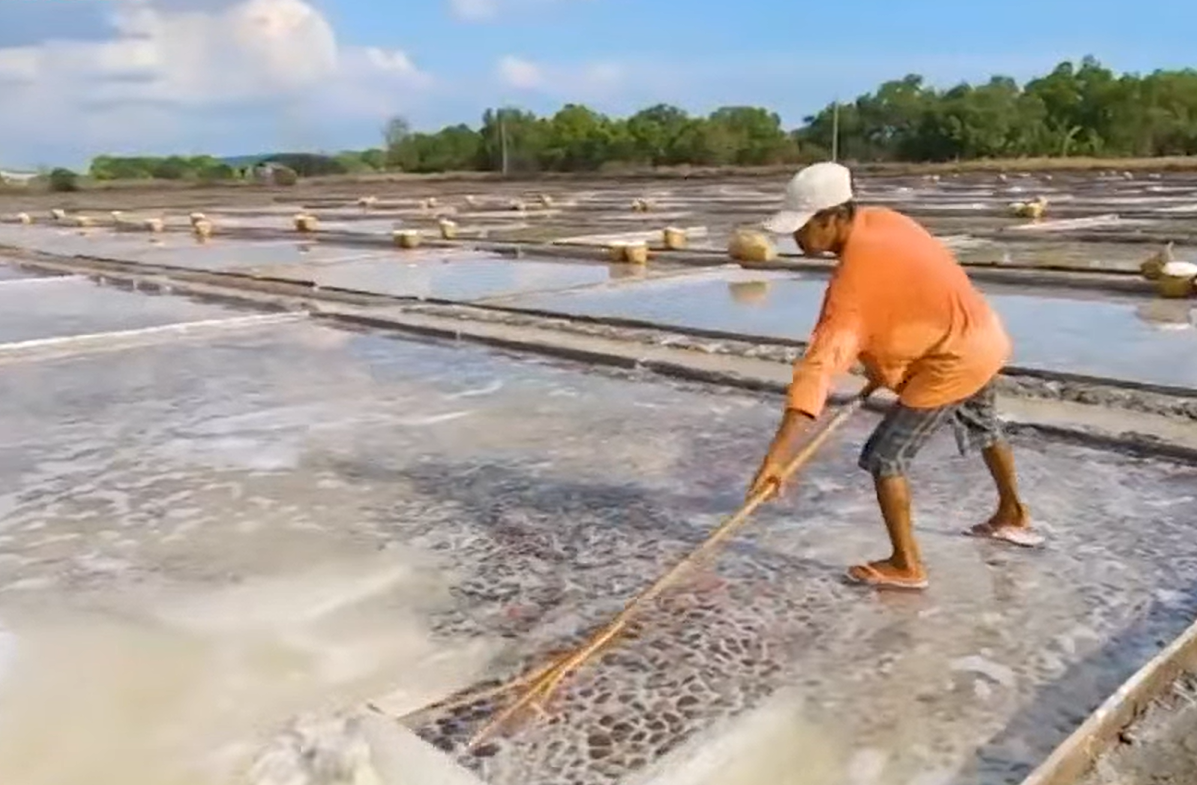
The Bureau of Fisheries and Aquatic Resources (BFAR) said it will further expand local salt production after the country's output reached nearly 200,000 metric tons (MT) in the first half of 2026, as the government seeks to reduce the Philippines' dependence on imported salt.
From January to June, the country's salt industry continued its recovery, with total production of artisanal, solar, and cooking salt reaching 199,293 MT, reflecting the government's sustained efforts to boost local output and lessen reliance on imports.
In a news release, BFAR attributed the increase in production to interventions implemented under the Development of Salt Industry Project (DSIP), which aims to strengthen the local salt industry.
With national production continuing to rise, the agency said it is committed to expanding the DSIP to help transform more coastal communities and ensure the Philippine salt industry remains a driver of local economic growth and a source of national pride.
BFAR said the initiative is designed to revitalize salt farms nationwide while creating sustainable and diversified livelihood opportunities for coastal communities.
"We are pleased with the improvement in salt output from January to June this year, reflecting the gains of the DSIP. BFAR will continue to provide unwavering support to the Philippine salt industry as we work toward unlocking its full potential," BFAR National Director Elizer Salilig said.
According to BFAR, the project's impact is evident in Barangay Tawagan Sur in Pagadian City, where local fisherfolk have transformed their community into a productive salt-making hub.
The agency said a 19-member group, composed mostly of women and originally organized in 2000 for seaweed farming, has successfully shifted to salt production.
The group conducted rigorous site assessments and salinity tests to determine the area's suitability for salt farming, BFAR said.
To support the group's operations, the bureau provided key infrastructure, including solar beds, greenhouse tunnel-type salt dryers, elevated solar dryers, storage facilities, and other operational equipment.
The transition has yielded encouraging results, BFAR said.
In 2025 alone, the group produced nearly seven MT of high-quality salt. It now operates a network of 12 ground-level solar beds, four greenhouse dryers, 19 elevated solar dryers, and two storage facilities.
To further improve production, BFAR said its Region IX office is set to provide an iodizing machine this year, while the Department of Science and Technology (DOST) is providing technical assistance to support innovation in iodization and the development of value-added salt products.— MCG, GMA News

