

 GMA Brandtalk
 Tracking
 Archives

BSP summons financial institutions over transfer fee rules
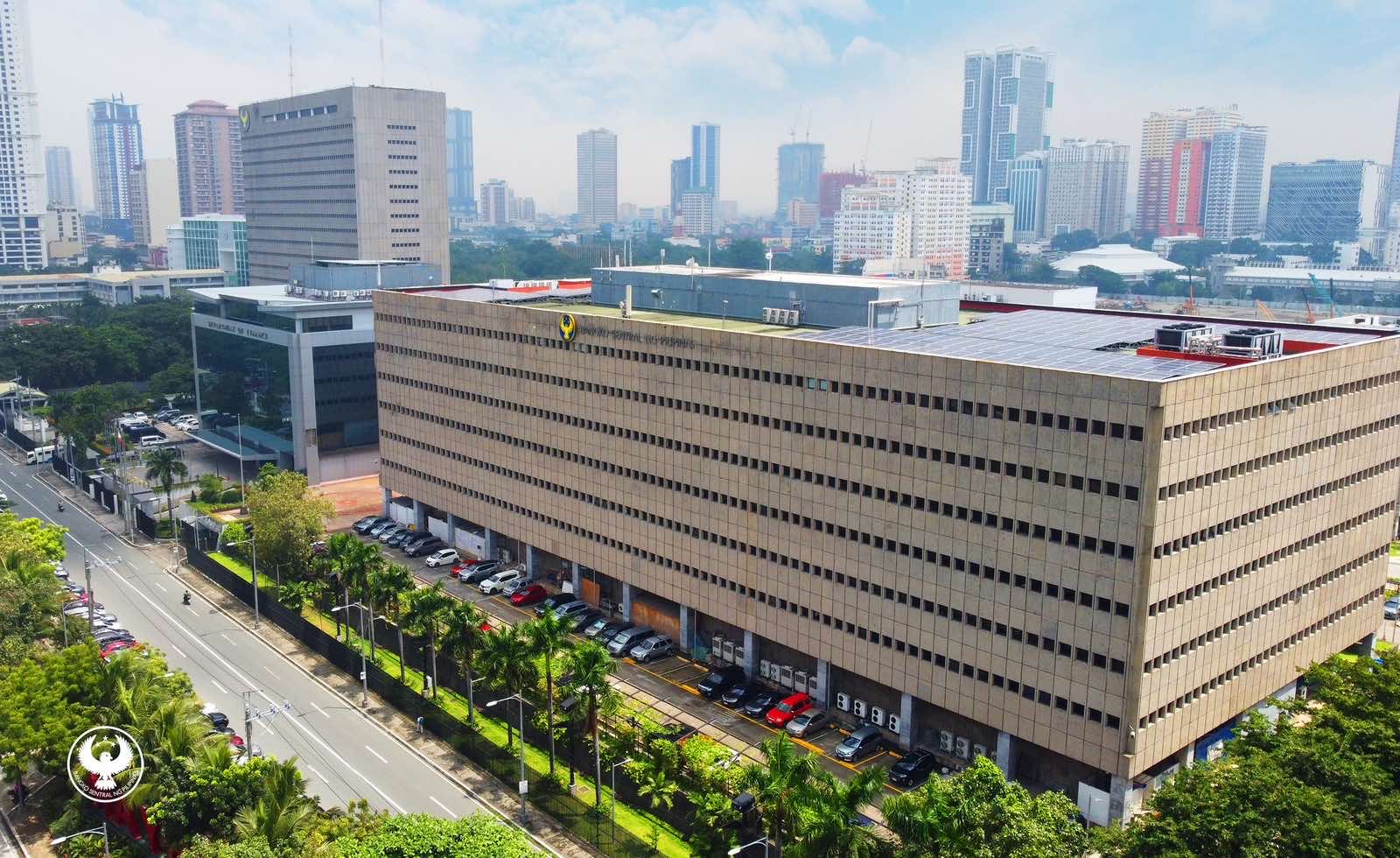
The Bangko Sentral ng Pilipinas (BSP) has called for a meeting with several banks and financial technology firms to discuss compliance to a circular that caps the difference between intrabank and interbank transfers to just the “switch cost.”
BSP Deputy Governor Mamerto Tangonan said the central bank has invited financial institutions to explain their compliance with Circular 1238, which took effect on Saturday, July 4.
Under the measure, any difference between intrabank and interbank transfer fees should reflect only the cost of processing a transaction through a payment network.
Such expense, called the “switch cost,” is estimated at P1.50 which means that financial institutions that already have free intrabank transfers should only charge up to P1.50 for interbank transfers.
“Reading the circular, kung gusto mong P10 (ang interbank), P8.50 dapat ‘yung transfer mo to same bank or we call on-us. We invited them to come over to have a discussion. Gusto ko lang maintindihan kung bakit,” he told reporters in Manila City.
(Reading the circular, if you want interbank transfers to be P10, transfers to the same bank or what we call on-us should be P8.50. We invited them to come over to have a discussion. I just want to understand why.)
Tangonan said the BSP invited institutions that have yet to adjust their fees, as well as those charging what the central bank considers high transfer fees.
“‘Yung mga wala pa kaming nakikitang movement, mukhang hindi compliant with the circular. I say mukha ah, cause we need to hear the explanation,” he said.
(Those that we have not yet seen make any changes, and those that appear to be non-compliant with the circular. I say appear, because we need to hear the explanation.)
Financial institutions such as GCash and Maya have reduced their interbank bank transfer fees to P10, even as their intrabank transfers are free.
Rizal Commercial Banking Corp. (RCBC) has also waived InstaPay transfer fees through its online banking application Pulz, but this is only for the first 30 InstaPay transfers per month with a minimum of P100 per transaction. It will charge P10 once the monthly limit is reached, or if transactions fall below the minimum amount.
Tangonan earlier said this is not compliant, as interbank transfer fees cannot be more than the intrabank transfer fees plus the switch cost.
“May cost kasi ‘yan — ‘yung system, IT fraud management, cyber, customer support, may cost ‘yan. But ang nangyayari, bakit ‘pag same bank transfer libre and ‘pag interbank transfer, ang mamahal? So lahat nakakarga doon,” he said.
“Our circular says you need to have a fairer and more reasonable pricing na ‘yung transfers mo to the same bank uses the same IT, uses the same cyber, uses the same fraud, uses the same customer support, so why are your charging everything to the interbank?” he added.
(There are costs — the system, IT, fraud management, cyber, customer support, they have costs. But what happens is, why is it that same bank transfers are free while interbank transfers are so expensive? Everything is charged there.
Our circular says you need to have a fairer and more reasonable pricing that your transfers to the same bank uses the same IT, uses the same cyber, uses the same fraud, uses the same customer support, so why are you charging everything to the interbank?)
Asked if strict penalties will be imposed to violators, Tangonan said financial institutions will first be given warnings.
"That comes later. Hindi maganda kung palo agad eh. 'Pag naliwanagan na, ayaw pa rin sumunod, yun," he said.
(That comes later. It is not nice to strike immediately. Once informed and they still fail to follow, that's when.)
The Bank of the Philippine Islands (BPI) has already waived InstaPay and PESONet transfer fees starting July 1, while the Land Bank of the Philippines (LandBank) did so effective Tuesday, July 7. — RSJ, GMA News

